What Is Powder Coating and When Should You Choose It?
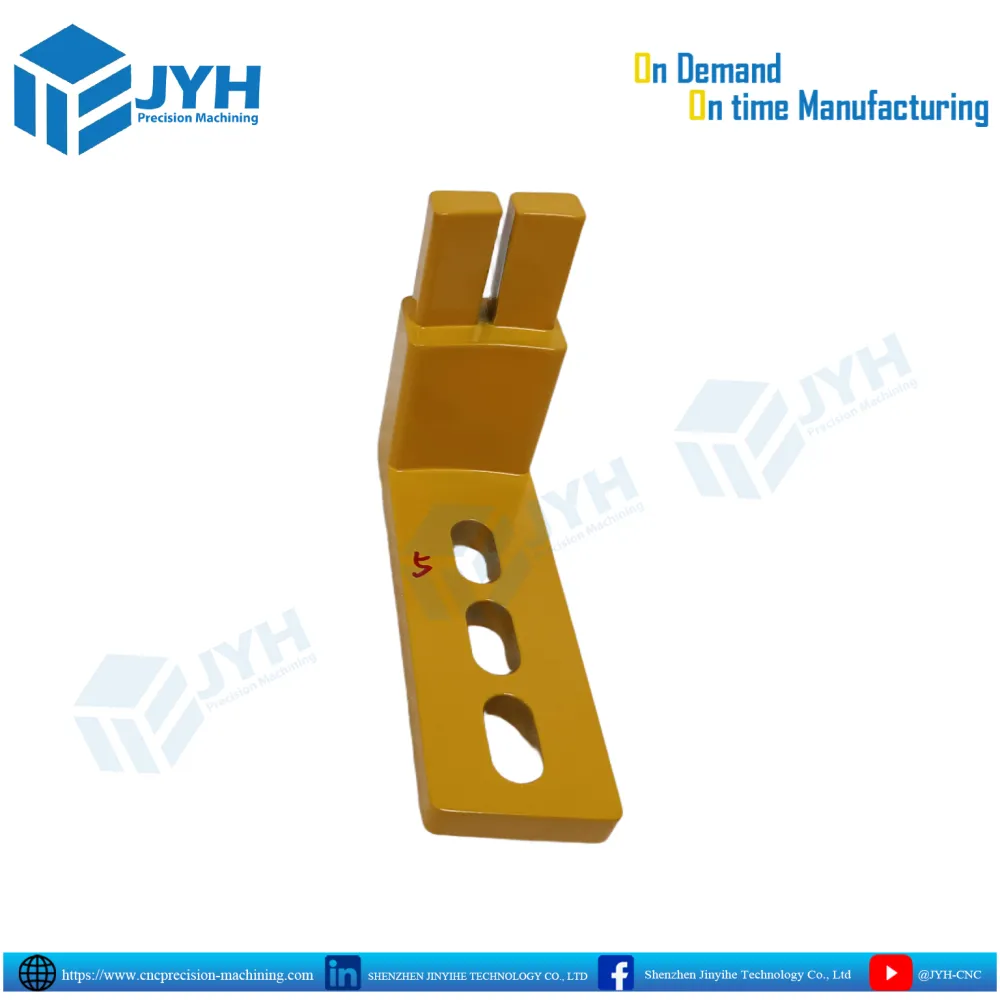
Powder coating covers a part in a continuous polymer skin. Unlike liquid paint it contains no solvents, builds a thick coat in one pass without runs or drips, and cures into a finish that resists chipping, scratching and fading far better than wet paint.
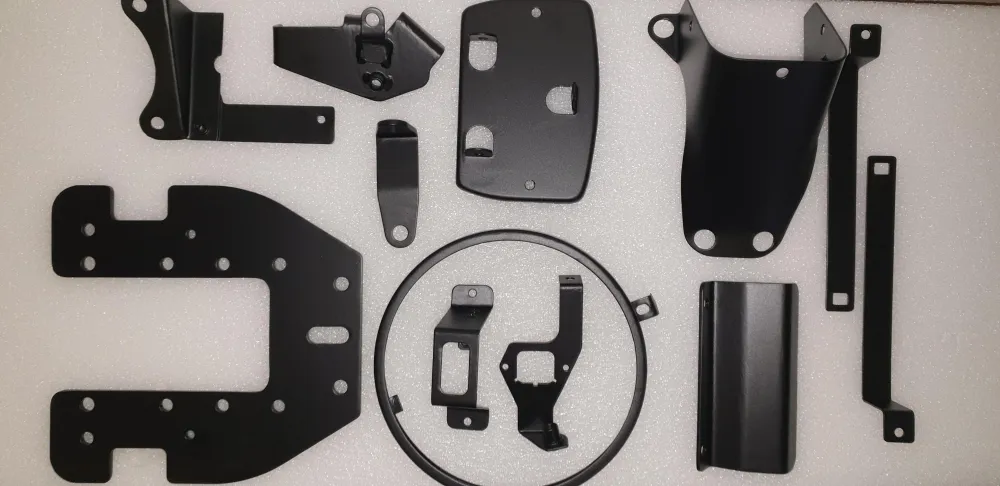
Choose powder coating for steel and aluminum enclosures, machine frames, brackets, furniture hardware and outdoor equipment — anywhere a part needs a specific brand color, a tough working surface, or corrosion protection at an economical cost on medium-to-large parts.
Powder Coating vs Anodizing — The Practical Difference
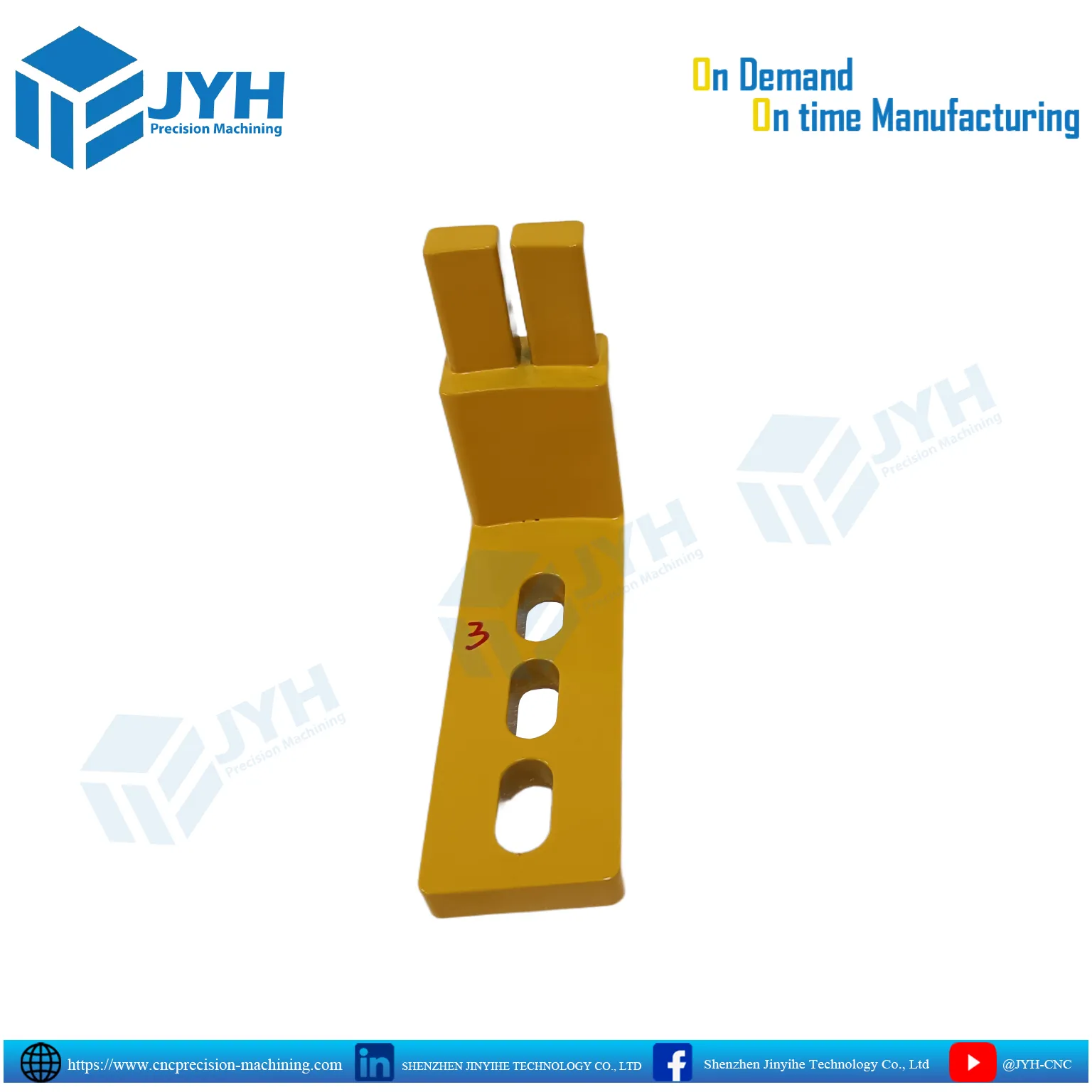
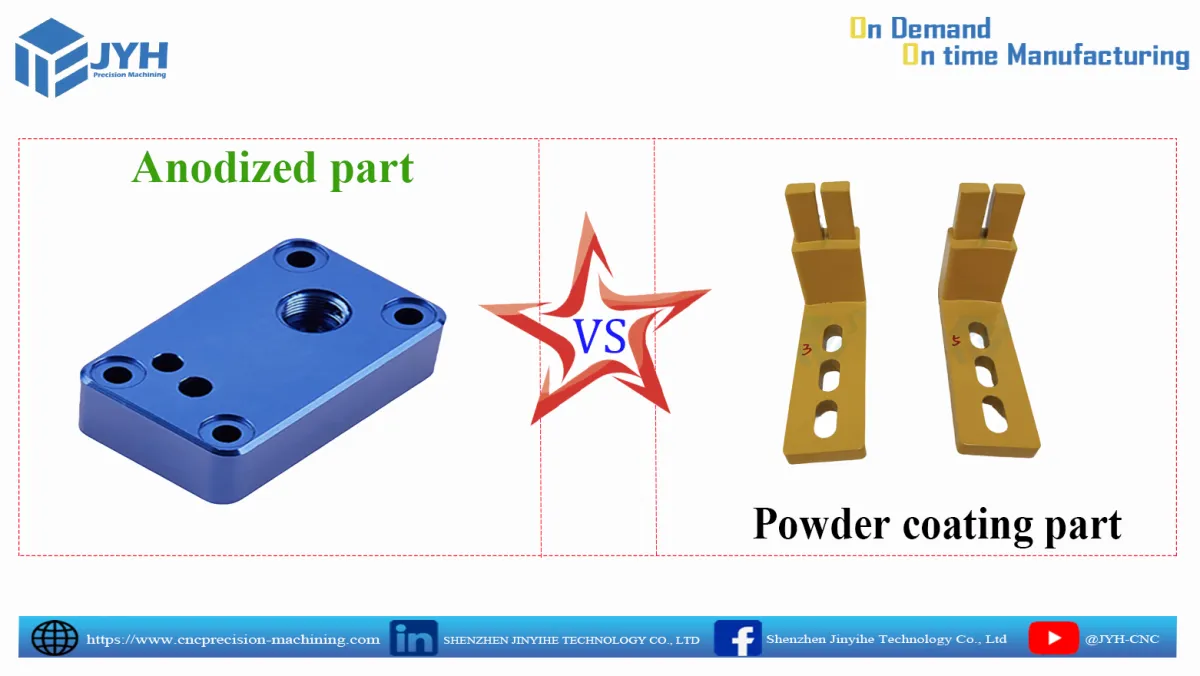
Both finishes protect aluminum, but they work differently and suit different parts. This comparison uses parts from our own finishing lines:
| Powder Coating | Anodizing | |
|---|---|---|
| How it works | Polymer powder sprayed on and heat-cured as a skin on the surface | Oxide layer grown electrochemically from the aluminum itself |
| Materials | Steel, aluminum, zinc, galvanized parts | Aluminum only |
| Colors | Any RAL color, matte/gloss/texture | Metallic dye tones — clear, black, blue, red, gold |
| Thickness | 60–120 µm — fills minor surface marks | 5–100 µm — preserves the machined surface character |
| Best for | Enclosures, frames, brackets, outdoor hardware | Precision parts, wear surfaces, premium consumer products |
How the Powder Coating Process Works
Surface preparation decides how long the finish lasts, so most of the work happens before any powder is sprayed:
- Clean and degrease — oils and machining residue removed
- Pre-treatment — conversion coating for corrosion grip on steel and aluminum
- Mask — threads, grounding points and tight bores plugged or taped
- Spray — electrostatic guns charge the powder so it wraps evenly around edges
- Cure — parts bake at 180–200 °C until the powder flows and cross-links
- Inspect — thickness, adhesion, color and gloss checked against the order spec
Design Notes: Edges, Holes and Tolerances
Powder builds 60–120 µm on every exposed surface, so press-fit holes and threaded holes are masked or re-tapped after coating — tell us which features are critical on the drawing. Sharp external edges coat thin; a small radius (0.5 mm or more) gives even coverage and a much tougher edge. Hanging holes are needed for the spray line, and we agree their position with you so they land on non-cosmetic faces.