→ SURFACE FINISHING • SURFACE FINISHING

Aluminum Anodizing Services — Type II Decorative & Type III Hardcoat

Anodizing is an electrochemical finish that converts the surface of aluminum into a hard, corrosion-resistant aluminum-oxide layer. JYH anodizes CNC-machined aluminum parts in-house — Type II decorative anodizing in clear and colors, and Type III hardcoat for wear-critical surfaces — so finished parts ship complete, with no outside finisher in the chain.

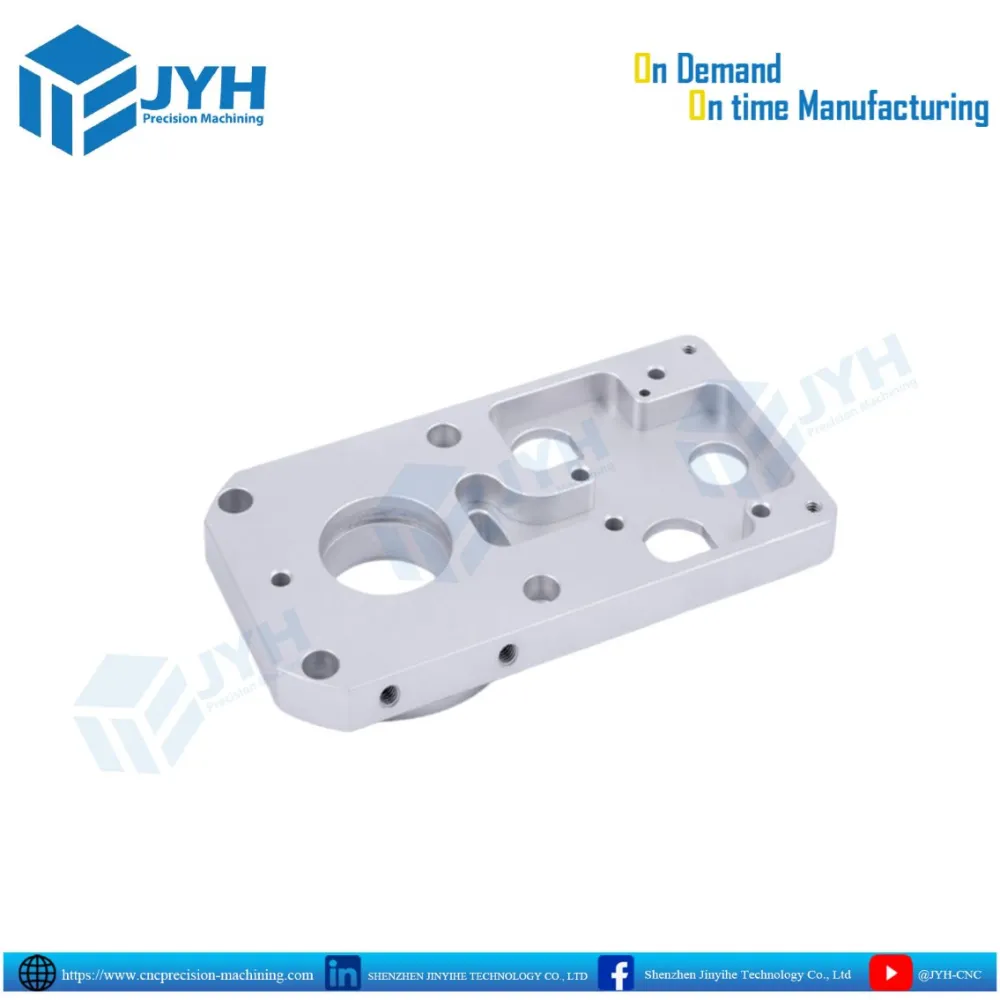
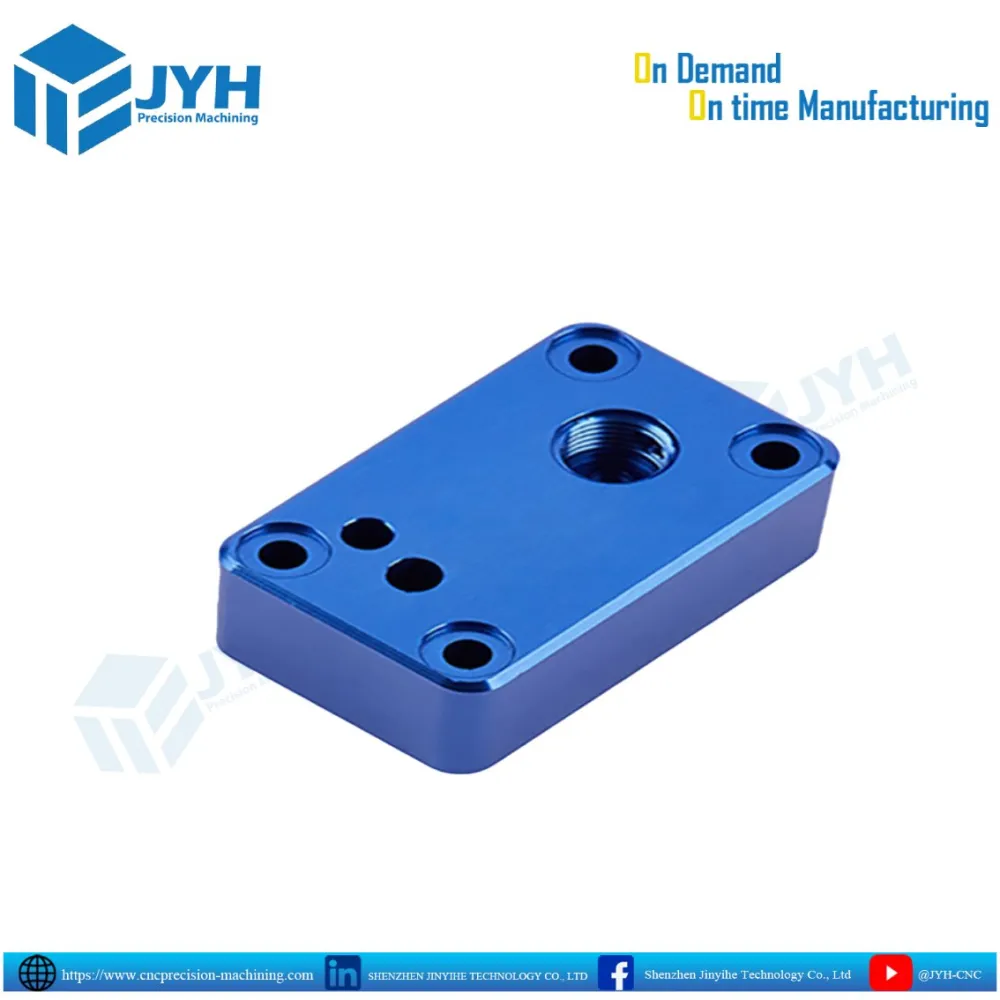
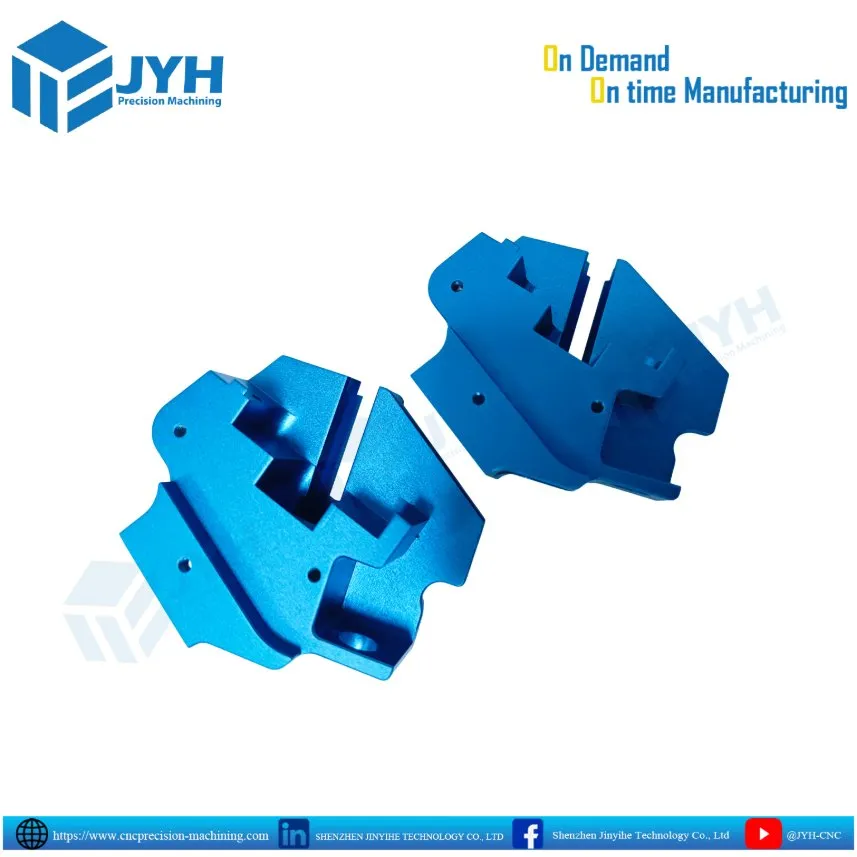
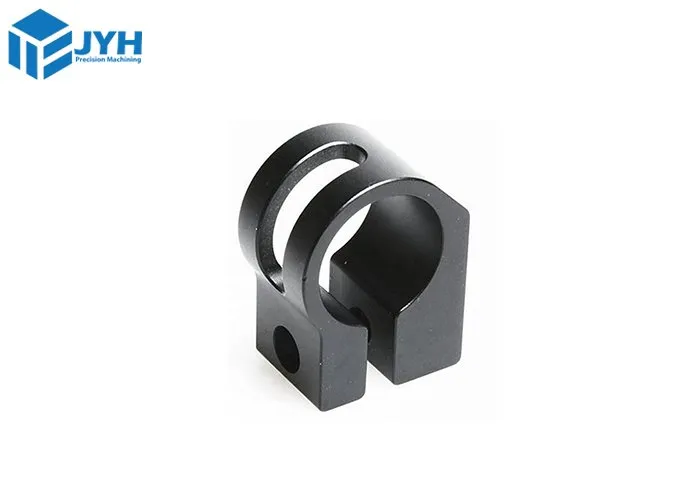
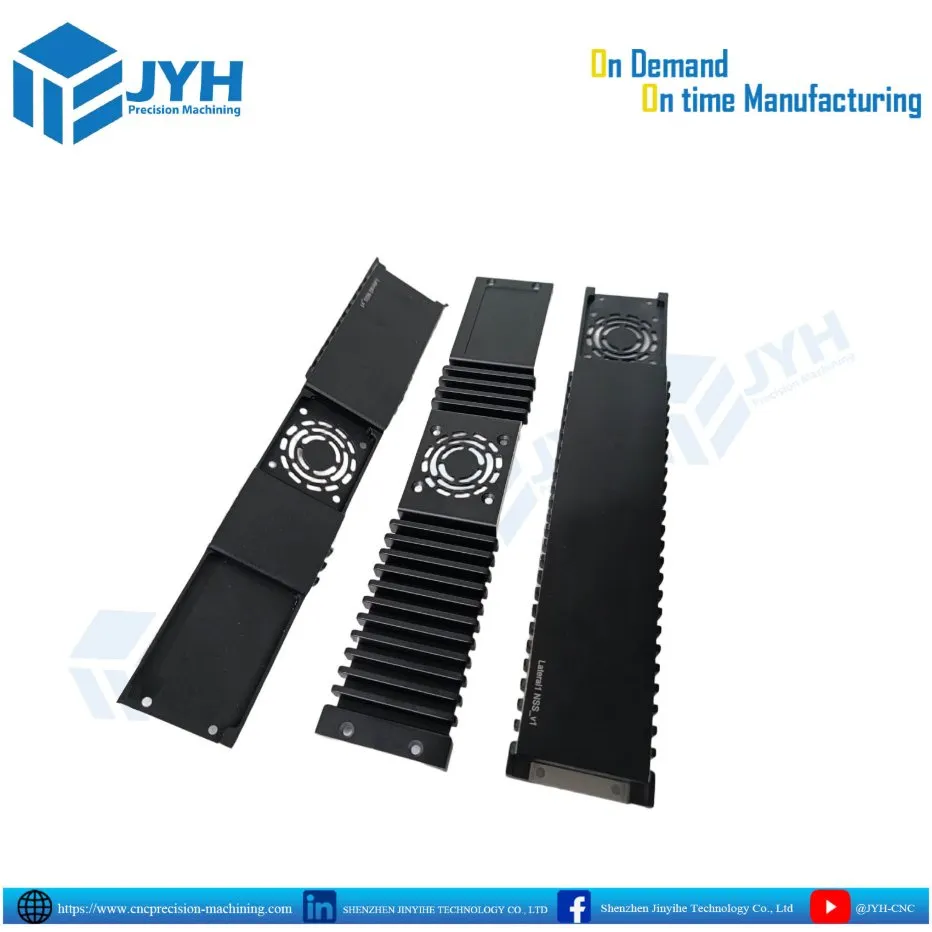
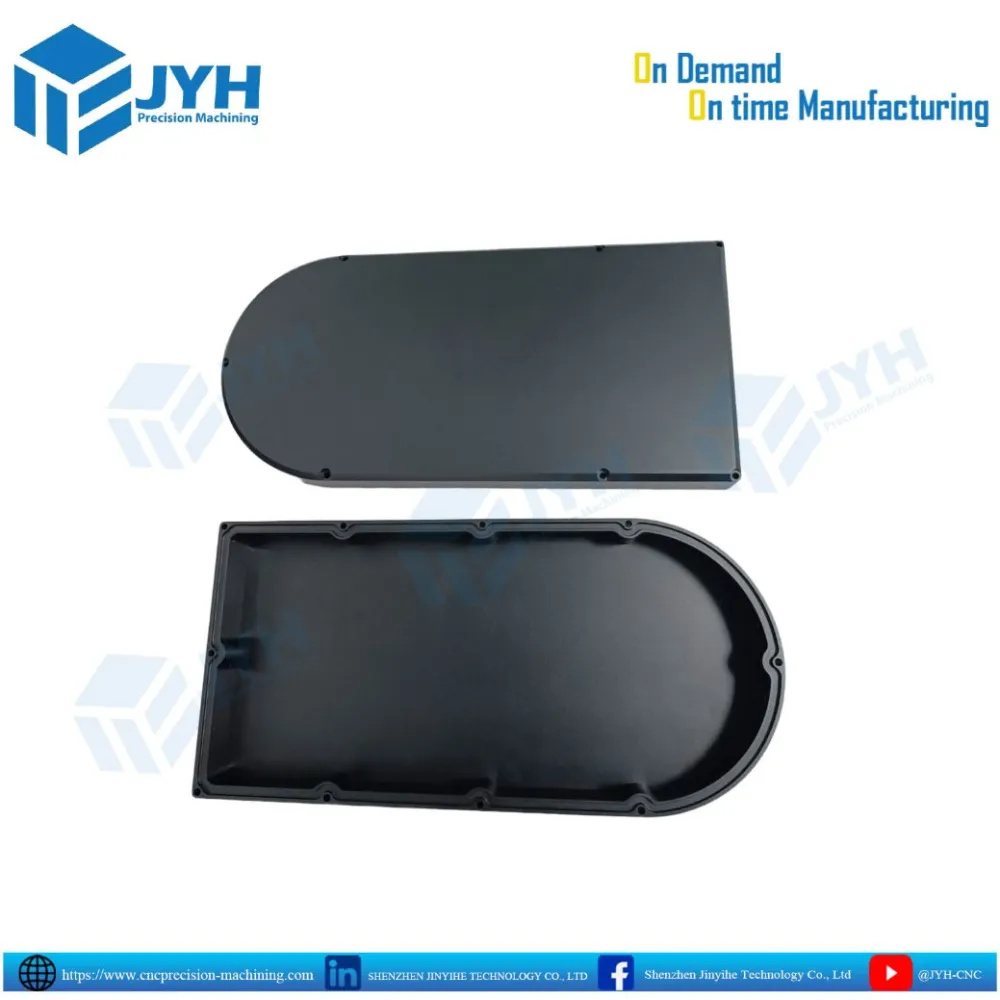
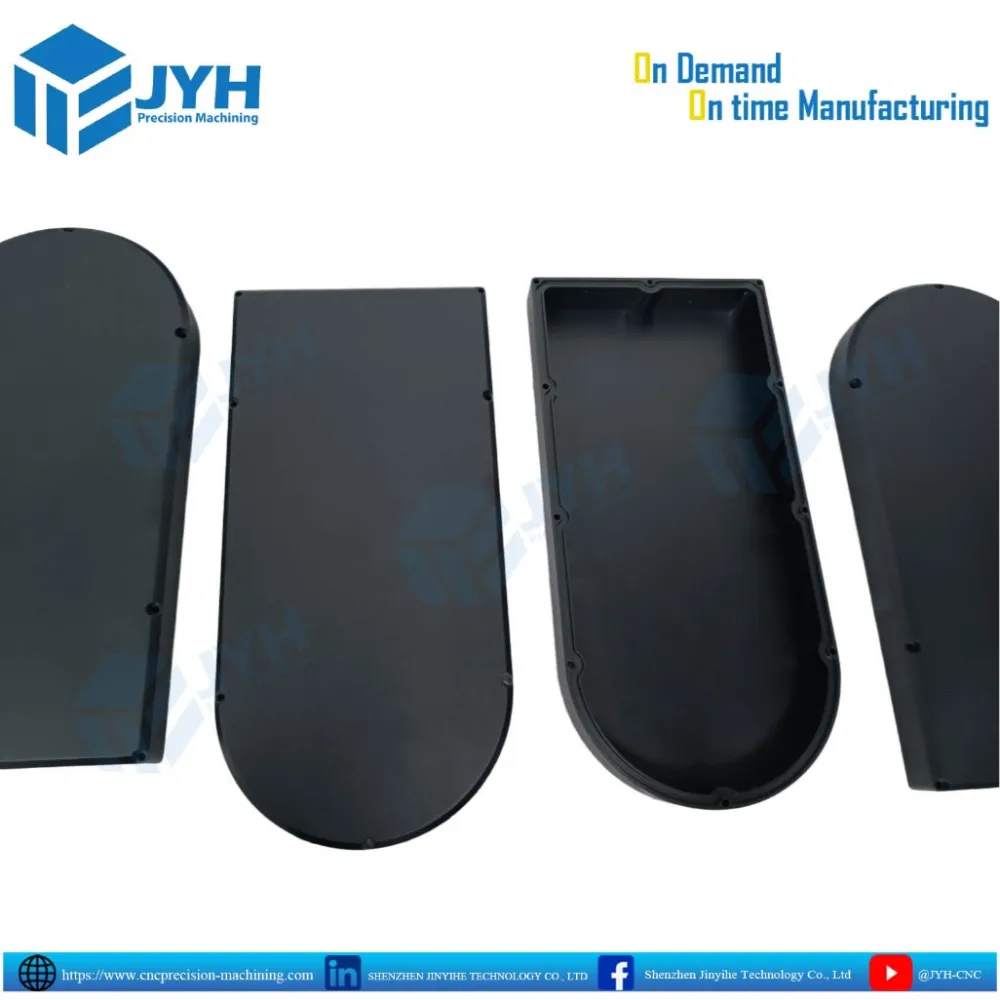
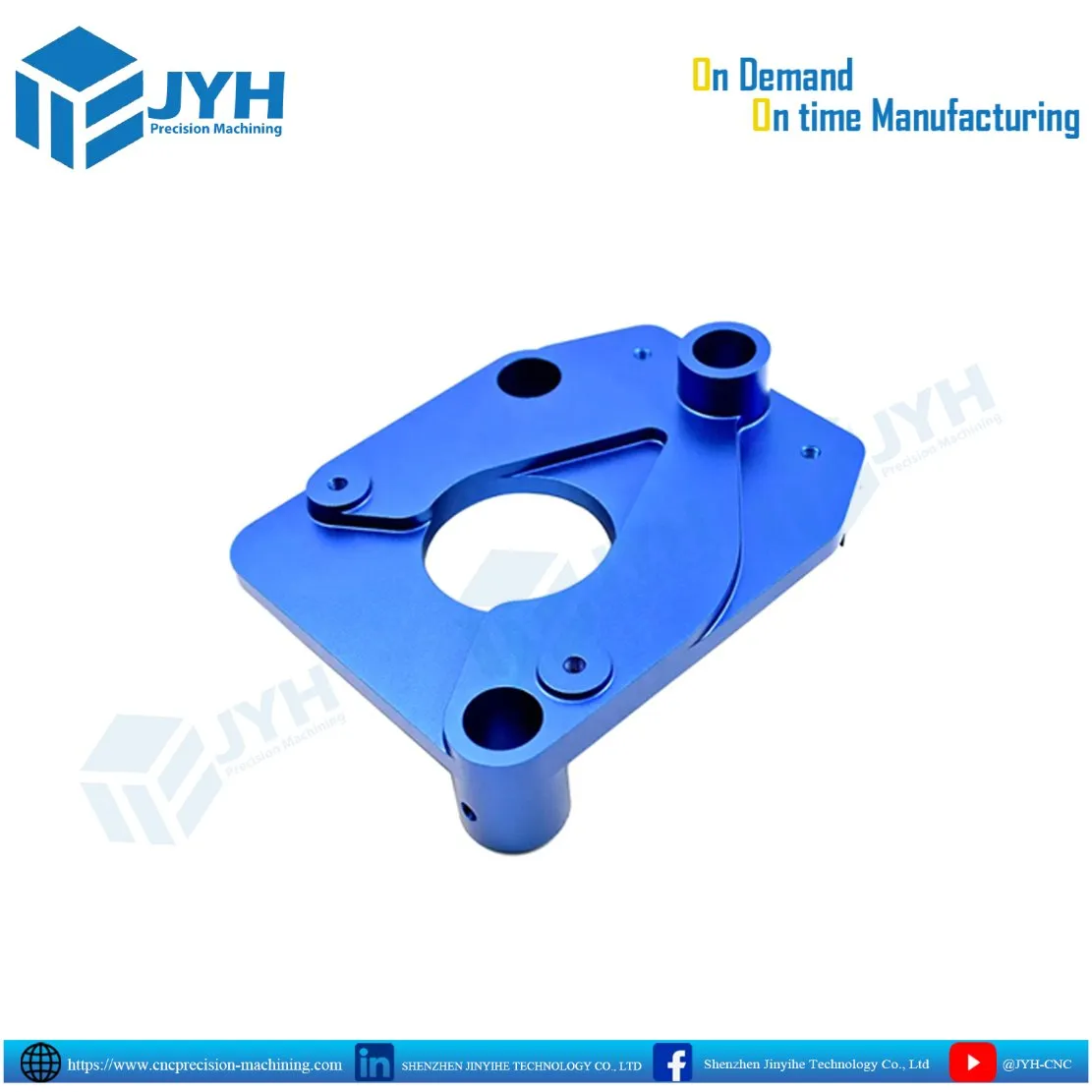
Blue anodized aluminum CNC parts finished by JYH Type II & Type III
In-house anodizing line
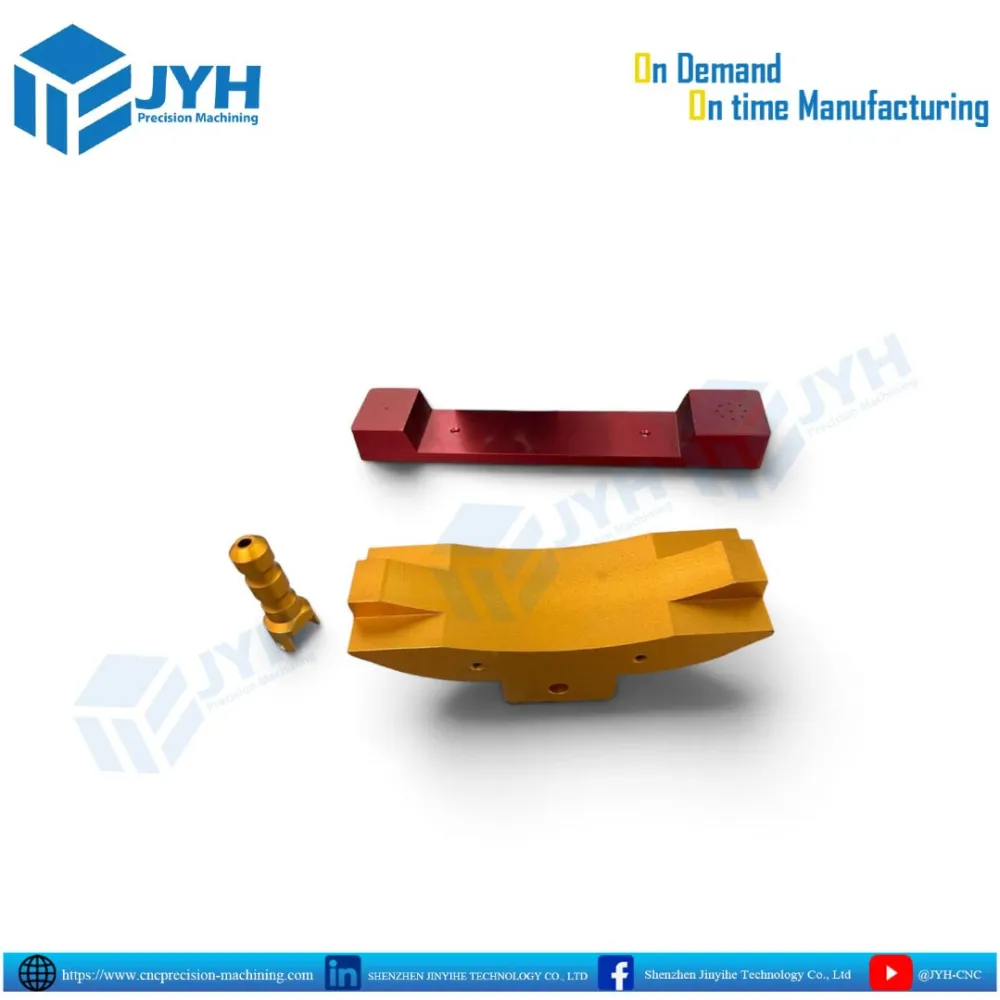
Clear, black, blue, red & gold dyes
Masking for threads & bores
ISO 9001:2015 production
5–25 µm
Type II decorative coating thickness
25–100 µm
Type III hardcoat thickness for wear surfaces
350–600 HV
Hardcoat surface hardness, near sapphire-grade wear resistance

What Is Anodizing and Why Does Aluminum Need It?

Anodizing grows a controlled aluminum-oxide layer directly from the metal surface, rather than applying a coating on top of it. Because the layer is part of the metal itself, it cannot peel or flake like paint. The oxide is porous before sealing, which lets it absorb dyes — that is how anodized parts get their deep, metallic colors.

Bare aluminum scratches easily, corrodes in humid or marine environments, and shows every fingerprint. An anodized finish solves all three problems at once: it hardens the surface, seals it against corrosion, and gives consumer and industrial products their finished appearance.

Type II vs Type III Anodizing — Which Do You Need?

The two anodizing types serve different jobs. Type II is the standard decorative finish; Type III (hardcoat) is an engineering finish for parts that slide, wear or face harsh environments:

Type II — DecorativeType III — Hardcoat
Coating thickness5–25 µm25–100 µm
Surface hardness~150–250 HV~350–600 HV
Best forEnclosures, housings, consumer products, appearance partsGears, pistons, sliding parts, military & marine hardware
ColorsClear + full dye range (black, blue, red, gold…)Natural gray/bronze tones; limited dark dyes
Dimensional growthAbout half the coating thickness per surfaceAbout half the coating thickness per surface — allow for it on tight fits

How the Anodizing Process Works

Every batch runs the same controlled sequence, with racking and masking planned before the parts touch a tank:

  • Degrease and alkaline etch — removes machining oils and levels the surface
  • Desmut and deoxidize — strips alloy residues so the oxide grows evenly
  • Anodize — parts become the anode in a sulfuric-acid bath; current and time set the coating thickness
  • Dye (for colored Type II) — the porous oxide absorbs the color before sealing
  • Seal — hot-water or nickel-acetate sealing closes the pores and locks in corrosion resistance
  • Inspect — coating thickness, color match and cosmetic grade checked before packing

Masking, Threads and Tight Tolerances

Anodizing changes dimensions: roughly half of the coating thickness grows outward from each surface. On a Type III hardcoat of 50 µm, a precision bore can close by about 25 µm per side. JYH plans for this at the machining stage — critical bores are machined with the growth allowance, and threads, grounding points and press-fit surfaces are masked so they stay bare metal.

Tell us on the drawing which surfaces must stay conductive or dimensionally exact, and they are plugged or lacquer-masked before the bath.

From Our Finishing Lines

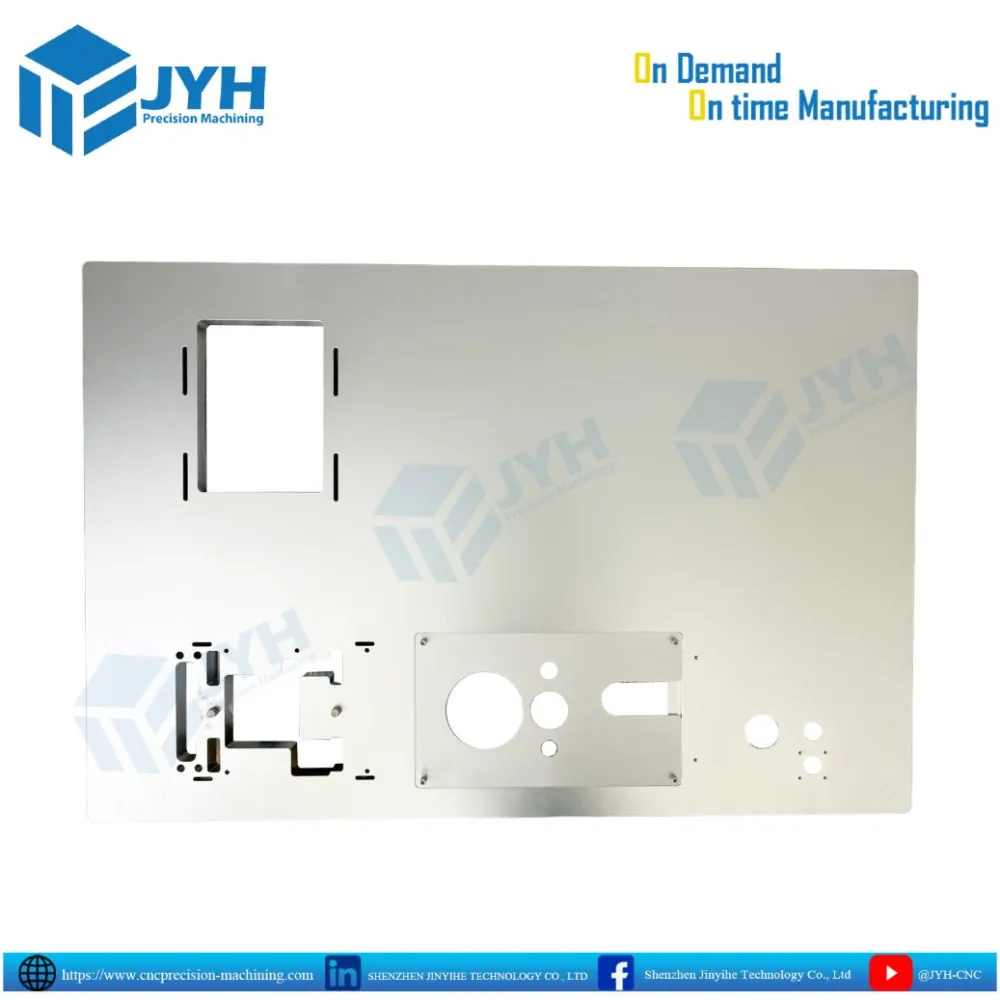
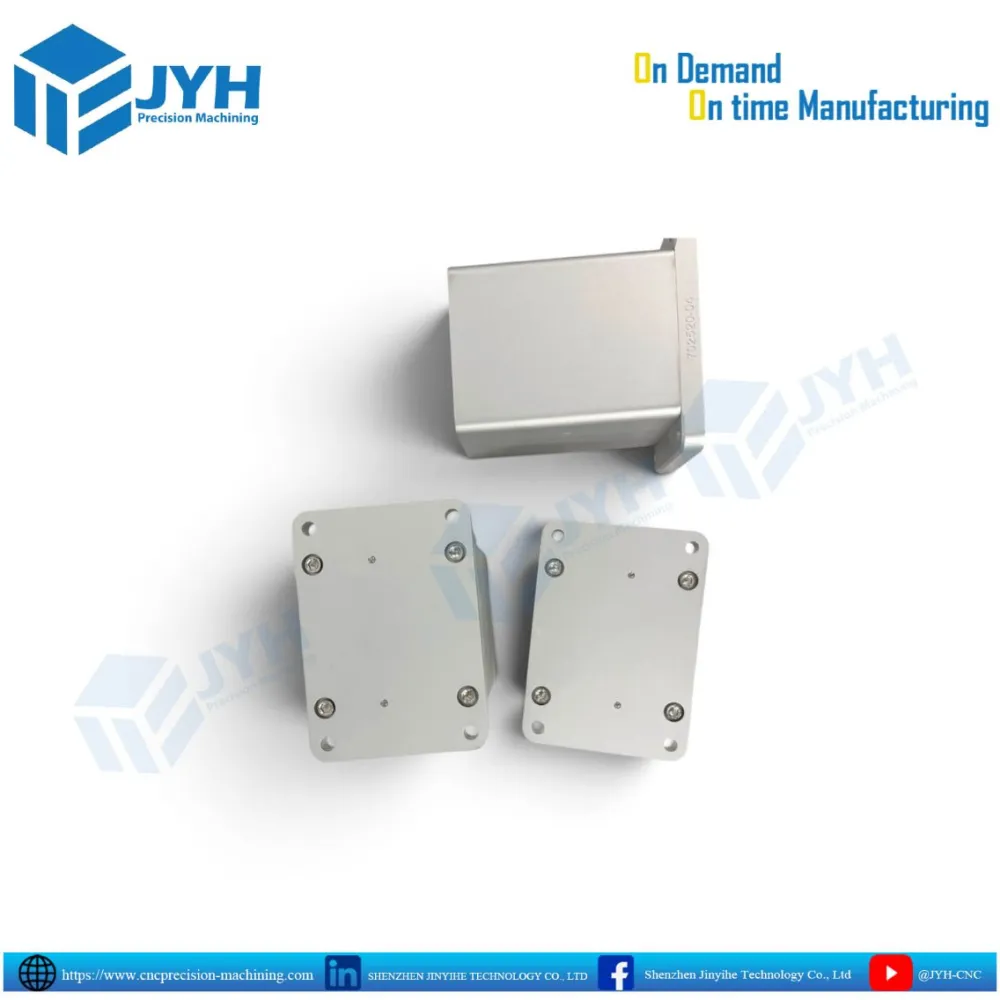
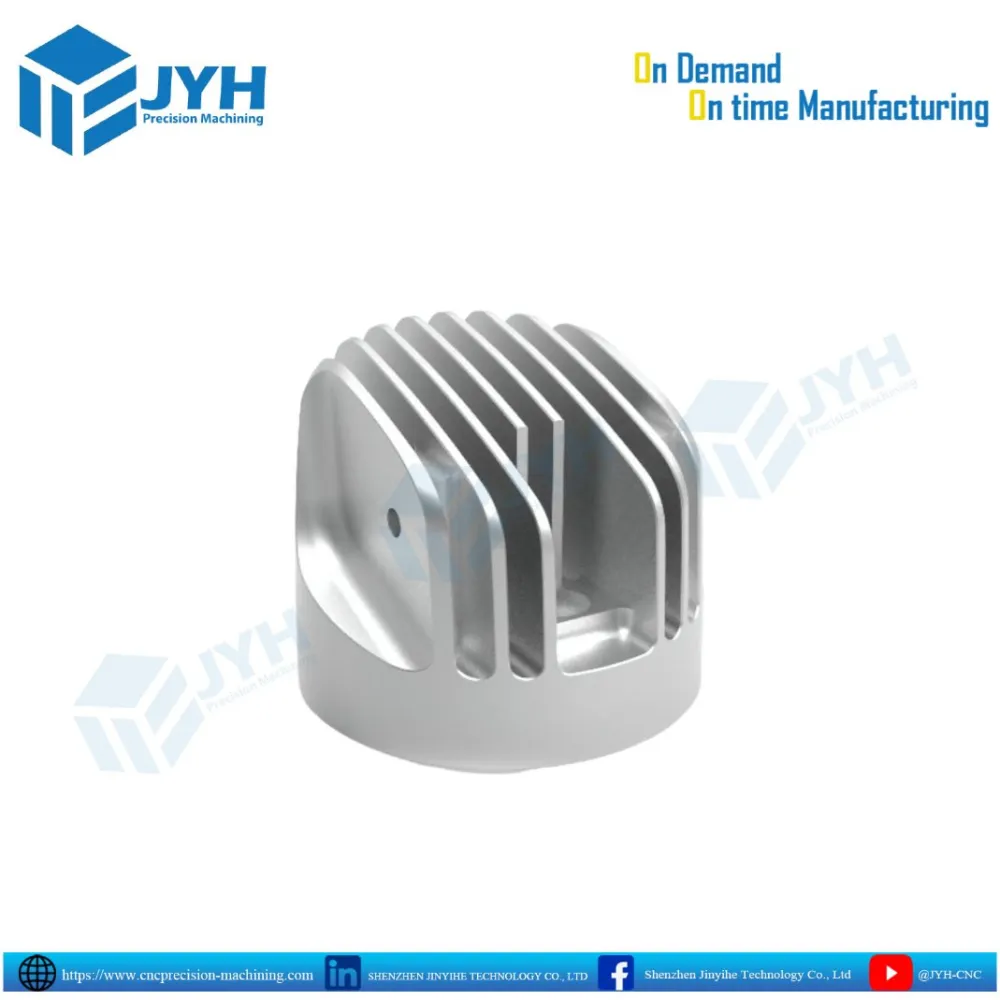
Anodized Parts From Our Line

Deliverables

What You Receive

  • Parts anodized to your drawing callout (type, thickness, color)
  • Masked threads, bores and grounding surfaces kept bare
  • Coating-thickness check recorded per batch
  • Color matched against your sample or RAL/Pantone reference
  • Parts cleaned, dried and individually protected for export packing
  • Combined machining + finishing in one shipment and one invoice
FAQs

Frequently Asked Questions

What is the difference between Type II and Type III anodizing?

Type II is a thinner (5–25 µm) decorative finish available in clear and colors, ideal for enclosures and appearance parts. Type III hardcoat is much thicker (25–100 µm) and harder (350–600 HV), built for wear, abrasion and harsh environments, but limited to natural gray/bronze tones.

Which aluminum alloys anodize best?

6000-series alloys (6061, 6082) anodize most consistently and take color evenly. 7075 also finishes well with a slightly warmer tone. High-silicon cast alloys and 2000-series alloys can look uneven, so tell us your alloy at RFQ stage and we will advise on the expected cosmetic grade.

Does anodizing change part dimensions?

Yes — about half of the coating thickness grows outward from each surface. A 25 µm Type II coating adds roughly 12 µm per side. We machine critical features with this allowance and mask press-fits, threads and bores that must stay exact.

Can anodized parts be color-matched?

Yes. Send a physical sample or a Pantone/RAL reference and the dye bath is matched to it. Anodized color is a dye inside a transparent oxide, so it has a metallic depth that paint cannot reproduce; exact matches are judged on the same alloy and finish (matte or gloss) as production.

Is anodizing corrosion-proof?

The sealed oxide layer gives aluminum excellent corrosion resistance for indoor, outdoor and most marine-adjacent use. It is not a coating that can peel, because the oxide is grown from the metal itself. For extreme salt-spray requirements, ask about hardcoat plus seal combinations at RFQ stage.

Need This Finish on Your Machined Parts?

Upload your CAD and drawings for an instant quote — every JYH order includes DFM review, FAI and CMM inspection documentation.

💬

Connect on WeChat

Scan the QR code or search WeChat ID to speak directly with our Shenzhen engineering team.

WeChat ID: JYH-Prototype
JYH AI Assistant · 智能客服
Online 24/7 · 全天在线
Get Instant Quote
Shenzhen High-Tech Industrial Park
+86 137 1457 8126