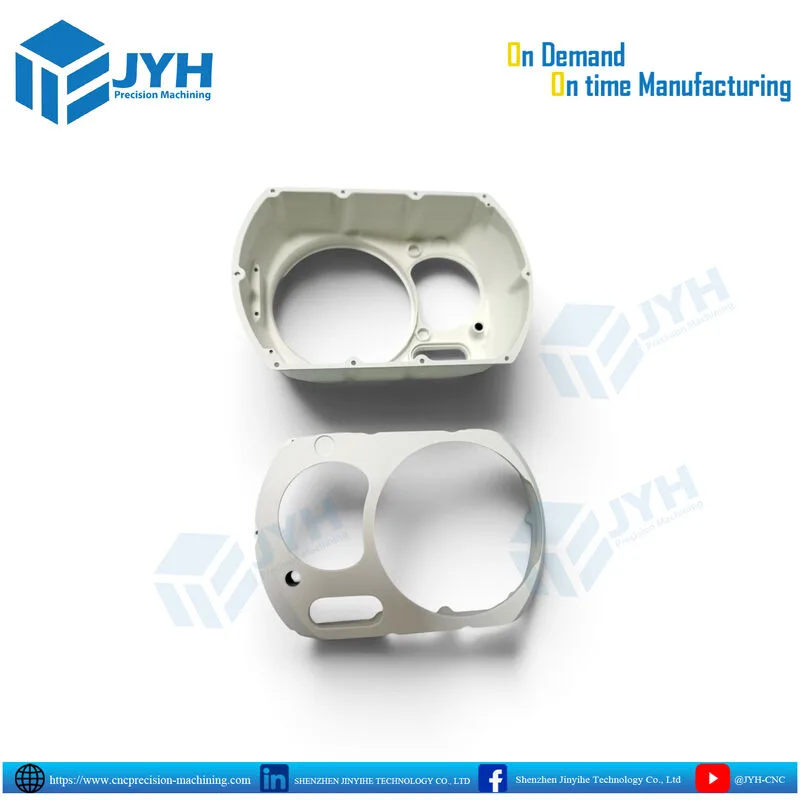
Why Engineers Choose Magnesium
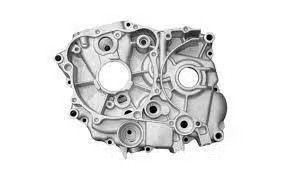
When every gram counts — drone airframes, handheld electronics, racing components, aerospace brackets — magnesium is the metal that removes the most weight without giving up stiffness. Its density of about 1.8 g/cm³ makes it roughly 35% lighter than aluminum and 75% lighter than steel, while its damping capacity absorbs vibration better than any other structural metal, which is why it is used for gearbox housings, camera bodies and precision instrument frames.
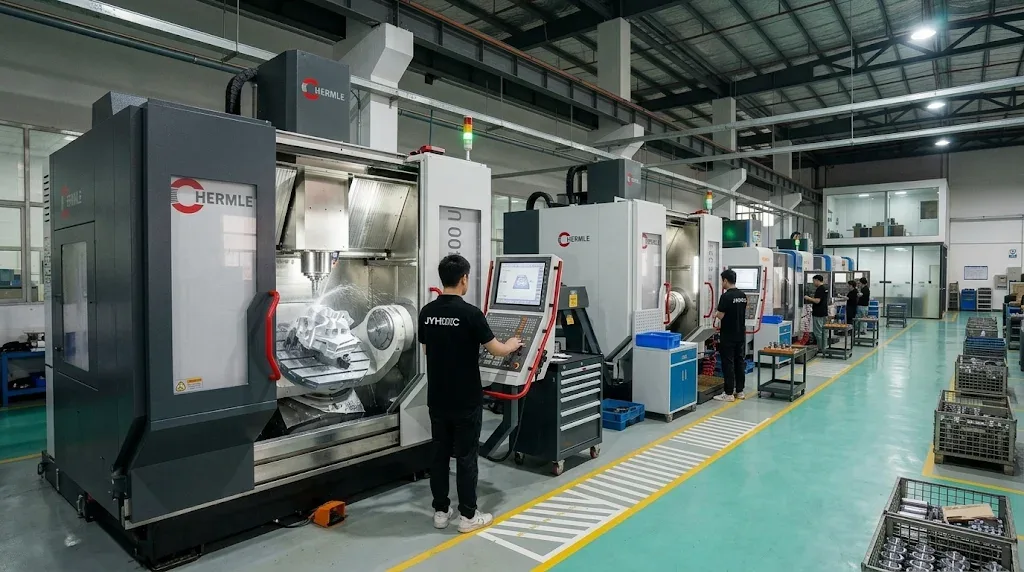
Magnesium also machines faster than any other metal: cutting forces are low, tool life is long, and surface finishes come off the tool clean. The trade-offs are corrosion protection (magnesium needs a conversion coating or paint system) and disciplined shop handling, because fine magnesium chips are flammable. Both are managed as part of our standard process below.
Magnesium Alloys We Machine
We stock and machine the common wrought and cast magnesium alloys. Tell us your alloy at RFQ stage, or ask and we will recommend one for your load case and environment:
| Alloy | Form | Best for |
|---|---|---|
| AZ31B | Wrought plate & sheet | General structural parts, housings, brackets — good balance of strength and formability |
| AZ91D | Die-cast alloy | High-volume cast housings with thin walls and good corrosion resistance for a magnesium alloy |
| ZK60 | High-strength wrought | Aerospace and racing parts needing the highest strength-to-weight ratio |
| AM60 | Cast alloy | Automotive parts needing ductility and energy absorption |
How We Machine Magnesium Safely
Magnesium is safe to machine when the shop respects the material. Fine chips and dust are the fire risk — never the solid part — so our magnesium work follows a fixed discipline:
- Dedicated chip management — chips are collected dry, kept separate from other metals, and removed from the work zone frequently
- Correct coolants only — mineral-oil based or dry machining; water-based coolant is controlled because wet magnesium chips can generate hydrogen
- Sharp tools and correct feeds — dull tools and fine rubbing cuts are avoided, since heat and powder-fine chips are what ignite
- Class-D fire equipment at the machine — sand and a Class-D extinguisher stationed for magnesium work
- Clean handover — parts are deburred, cleaned and dried before corrosion protection, so no chip residue ships with your order
Finishing and Corrosion Protection
Bare magnesium corrodes faster than aluminum, so almost every magnesium part leaves with protection. Standard options are chromate conversion coating (a thin conductive base that also keys paint), primer plus paint systems in your color, and powder coating for housings. For appearance parts, tell us the end use — indoor electronics housings need far less protection than outdoor or marine-adjacent parts, and we will specify the lightest system that does the job.
Dimensional note: conversion coatings are very thin (a few micrometres), so unlike anodizing on aluminum they rarely need a machining allowance — but paint and powder builds are allowed for on tight fits, and sealing faces can be masked.